Most teams don’t struggle because they lack talent or ambition.
They struggle because the work grows faster than the team can absorb it.

If you’ve ever been inside a Series A or Series B startup, the story is familiar. The roadmap expands, but the hiring pipeline does not. The backlog grows, but the core team does not. Suddenly, even simple decisions begin to feel heavy because no one has the bandwidth to push them through.
It’s in this pressure zone that many engineering leaders start considering offshore scale-up, not as a cost shortcut but as a practical correction to an unrealistic workload.
The Real Challenges for US Startups
Long hiring cycles that slow down everything
Recruiting in high-cost markets has become a marathon. By the time an offer is accepted, priorities have shifted and the team has absorbed several weeks of stretch work. Most engineering leaders admit this privately: the product isn’t late because of complexity. It is late because the hiring pipeline is slow.
Burnout in small core teams
Every startup says they “move fast.” In reality, they move fast because small teams are taking on more than they should.
You can feel it in sprint planning.
You can feel it in engineering standups.
You can feel it in those late-night Slack messages no one wants to acknowledge.
Burnout is not a dramatic event. It is the quiet erosion of creativity and patience. And it directly impacts product velocity.
Skill gaps that appear at the worst possible time
Startups often discover a skill gap on the same day that a critical feature is due. Need someone who understands cloud architecture, IoT protocols, industrial automation, or data engineering? Good luck finding them quickly. These roles are niche, expensive and extremely competitive in the US.
Engineering costs that force difficult trade-offs
Many CTOs know the feeling: choosing between hiring the specialist, the product needs or extending the runway. This tension shapes product decisions more often than many founders admit publicly.
Why Offshore Teams Have Become a Practical Answer
Faster onboarding, not faster decisions
Offshore scale-up works because it gives teams back the one thing they rarely have: time. While local hiring continues at its natural pace, offshore teams fill the gap without disrupting the roadmap. It is not a perfect solution. It is a pragmatic one.
Flexible scaling without the emotional weight of hiring
Founders often hesitate to hire full-time roles when the future is uncertain. Offshore teams give them breathing room. They can scale when the roadmap intensifies and pull back when it stabilizes. It lowers the emotional and financial risk of every decision.
Time zone advantage that feels like extended hours, not overnight shifts
When a US team logs off, another team begins.
This does not magically make work effortless, but it smoothens the edges.
Bugs are fixed sooner.
Features move forward overnight.
Reviews don’t wait a full day cycle.
Small efficiencies add up in ways most teams underestimate.
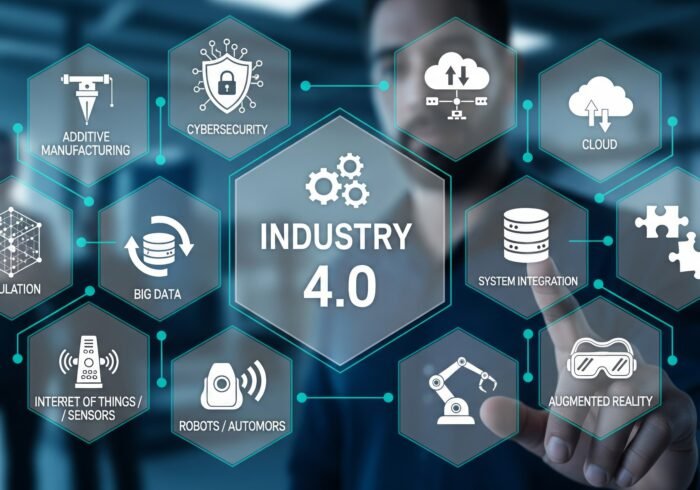
Access to Industry 4.0 expertise that is difficult to find locally
Teams building industrial software, IoT systems, automation tools or data platforms often need specialists who have worked in those environments before. Offshore hubs, especially in countries with strong engineering ecosystems, have dense pools of such talent. For startups, this feels less like outsourcing and more like borrowing expertise that is otherwise unavailable.

The Bigger Shift: From “More People” to “More Bandwidth”
The reason many Series A+ startups now prefer globally aligned teams is simple.
They are trying to increase bandwidth, not headcount.
And as a byproduct, they often reduce costs too.
But the motivation is rarely “cheap talent.”
It is usually: “We cannot keep asking our team to carry this weight alone.”
What Offshore Scale-Up Cannot Fix
Offshore teams do not fix unclear product vision.
They do not fix broken processes.
They do not fix lack of documentation.
They do not fix miscommunication.
They amplify what already exists.
Good systems get stronger.
Weak systems fall apart faster.
This is why the most successful offshore partnerships begin with clarity, not urgency.
Build Global for Stability, Not Speed
The modern engineering environment is unforgiving. Timelines are tight. Expectations are high. Talent is limited.
Offshore scale-up is not a shortcut. It is a rebalancing mechanism.
It gives startups:
- Breathing room
- Predictability
- Specialized skills
- Sustainable pace
Growing teams choose global alignment not because it is trendy, but because it gives them stability when their local environment cannot.
If your team has felt the pressure of long hiring cycles, burnout, skill gaps or rising engineering costs, it may be time to widen the lens. Not to grow bigger, but to grow smarter.
Key Takeaway
When work keeps growing but the team doesn’t, global teams create balance.
They spread the load instead of stretching the same people further.