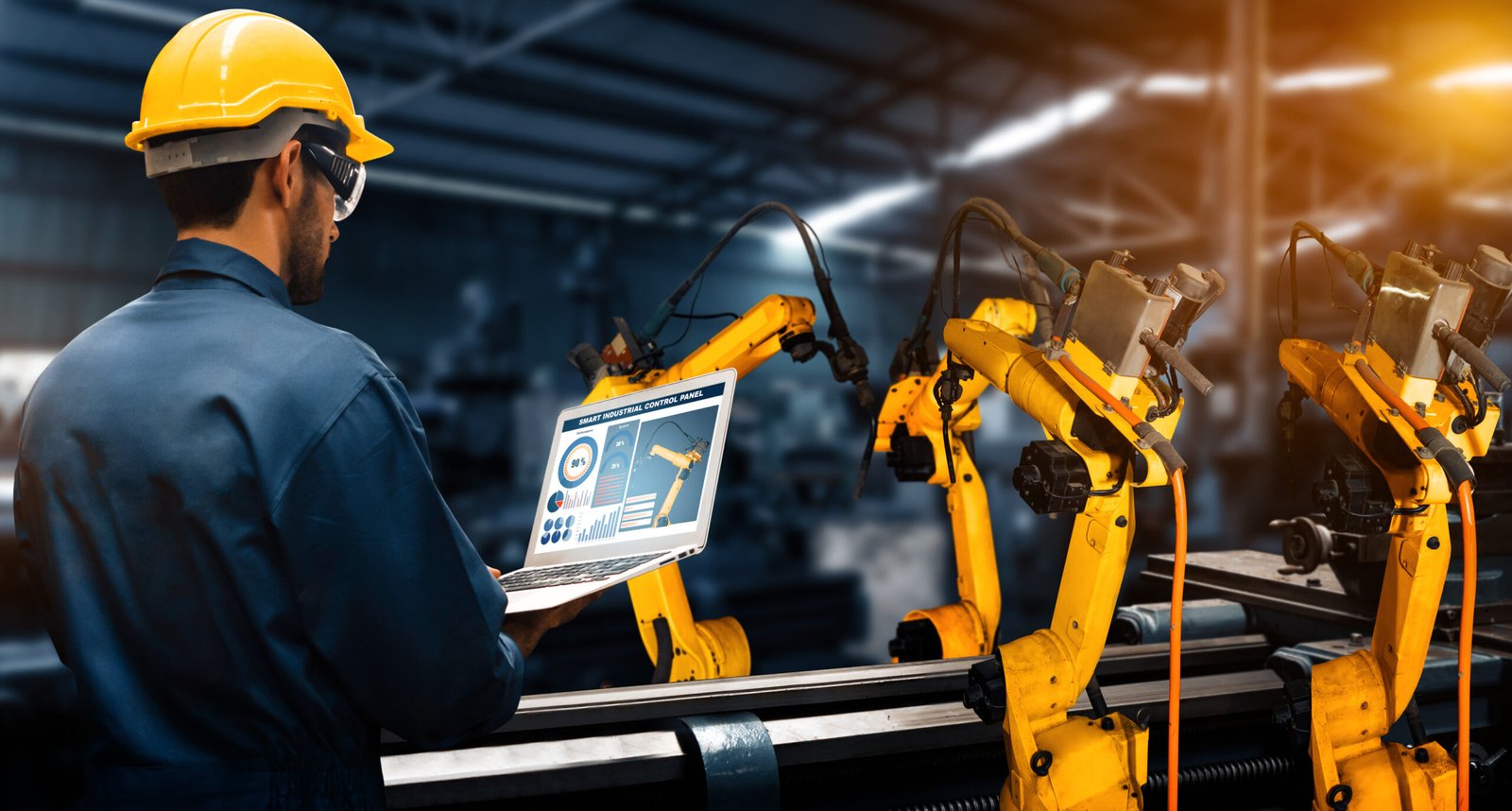
Most Industry 4.0 conversations start in the same place.
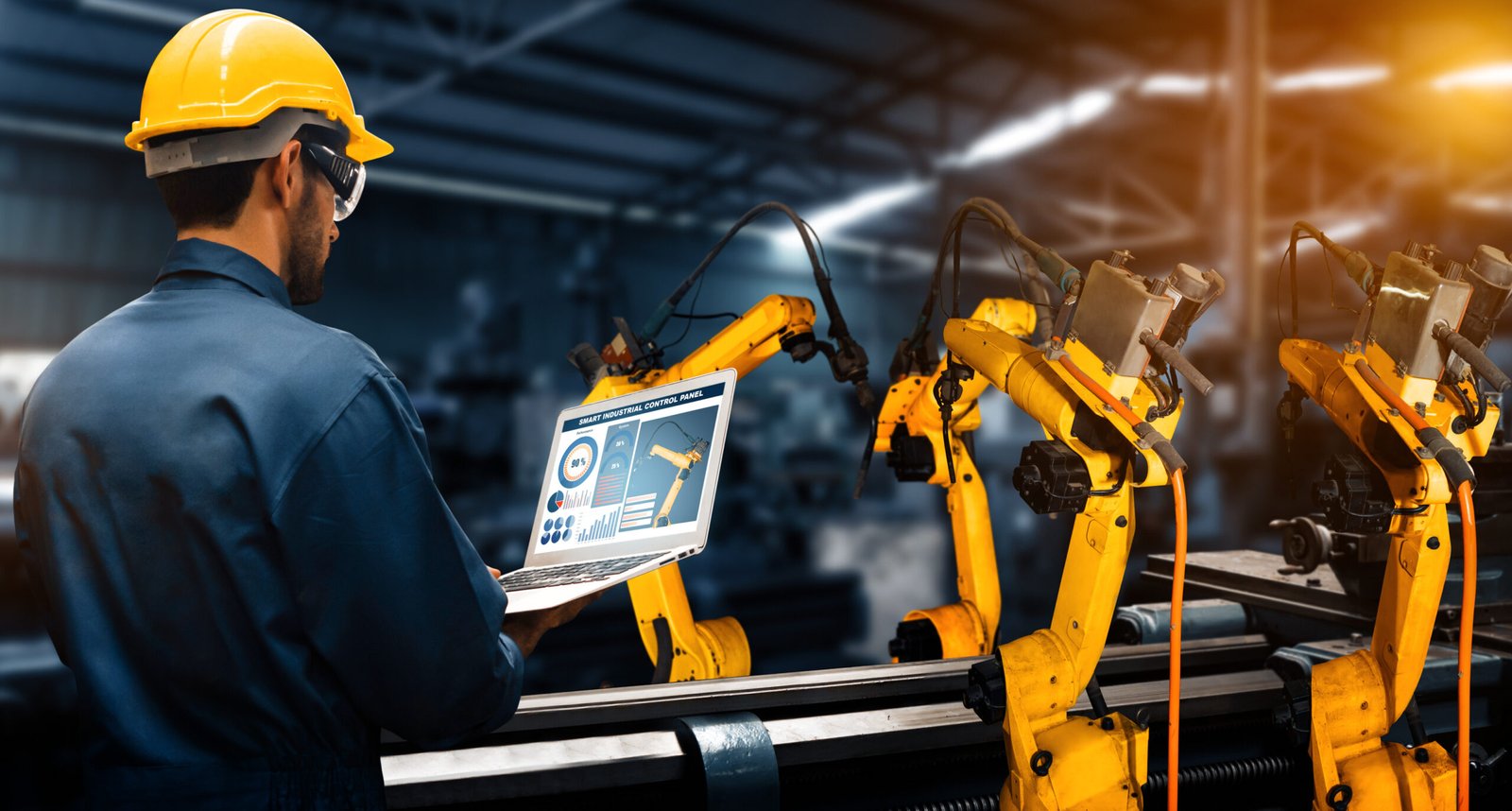
More data.
More dashboards.
More automation.
But after working alongside Industry 4.0 product teams for years, one thing has become clear to us at WonderBiz:
Most engineering slowdowns don’t come from lack of technology.
They come from what teams quietly overlook while building it.
This blog isn’t about buzzwords or future predictions.
It’s about the gaps we repeatedly see inside real Industry 4.0 engineering teams and what actually helps them move faster, calmer, and with fewer surprises.
1. Industry Context Matters More Than Technical Skill Alone
Most Industry 4.0 engineers are technically strong.
They know frameworks, databases, cloud platforms, and integrations.
What’s often missing is context.
Factories don’t behave like consumer apps.
- Data is messy.
- Inputs change without warning.
- Excel files live longer than expected.
- Operators adapt processes on the fly.
When engineering teams don’t fully internalize this reality, systems become fragile. They work perfectly in test environments and break quietly on the shop floor.
At WonderBiz, we’ve seen that progress accelerates when engineers think less like feature-builders and more like factory observers.
Not “How do we code this?”
But “Why does the factory behave this way in the first place?”
That shift alone reduces rework more than any new tool ever could.
2. Visibility Beats Velocity (Especially at Scale)
Many teams push for speed early.
Sprints get packed. Releases stack up.
Then something changes:
- A data source behaves differently
- A process owner updates a workflow
- A customer asks, “Why does this number look off?”
Suddenly, everyone is busy figuring out what’s happening instead of fixing it.
Industry 4.0 software engineering needs clarity before speed.
Clear signals.
Clear ownership.
Clear understanding of what matters at a glance.
We’ve learned this the hard way while supporting multiple products across different factories. Teams that invest early in clean visibility systems move faster later, without the constant anxiety.
Speed without visibility feels impressive at first.
Visibility without noise sustains teams for years.
3. Pattern Thinking Is a Hidden Advantage
Factory problems repeat themselves.
- Excel headers change, but intent doesn’t.
- Assets move locations, but workflows remain.
- Data formats evolve, but decisions stay consistent
Strong Industry 4.0 engineering isn’t just about solving today’s problem.
It’s about recognizing patterns early enough to prevent tomorrow’s version of the same issue.
We’ve seen offshore teams stuck in “implement-only mode” struggle here.
Not because they lack skill, but because they aren’t encouraged to question patterns.
At WonderBiz, our role as an offshore partner isn’t to redesign the product vision.
It’s to notice recurring friction, suggest smarter structures, and implement them faster because we’ve seen similar systems before.
That combination matters more than pure execution speed.
4. Frontend Engineering Is Not UI Decoration
In Industry 4.0 products, frontend decisions are operational decisions.
A confusing dashboard doesn’t just look bad.
It delays decisions.
It creates mistrust in data.
It increases manual checks.
Yet frontend engineers are often brought in after UX discussions are “finalized.”
We’ve consistently seen better outcomes when frontend engineers are part of early conversations. Not to override design, but to answer a simple question:
“Is this usable in a real factory scenario?”
This is especially important when products are used under pressure, not leisure.
Good Industry 4.0 engineering respects that reality.
5. Offshore Teams Need Context, Not Just Tasks
Most offshore engagements fail quietly.
Not because teams don’t work hard.
But because they’re only given tickets, not intent.
When offshore engineers understand:
- Who uses the system
- What breaks when it fails
- Why certain trade-offs exist
They don’t just implement faster.
They flag risks earlier.
They suggest simpler paths.
They reduce load on the customer team.
At WonderBiz, we’ve learned that our value isn’t in replacing internal teams.
It’s in reducing their mental burden by carrying context alongside execution.
That’s what makes offshore partnerships sustainable.
What Most Teams Overlook
Industry 4.0 engineering doesn’t collapse because of missing frameworks or tools.
These aren’t dramatic changes.
They’re quiet ones.
But over time, they’re the difference between systems that constantly need explaining and systems that simply work.
This is how we’ve learned to support Industry 4.0 software engineering at WonderBiz.
Not by adding complexity, but by removing uncertainty.
If you’re navigating similar challenges in your product or engineering team, you can reach us at info@wonderbiz.in
Key Takeaway
Most Industry 4.0 slowdowns aren’t caused by missing tools, but by missing context.
Teams move faster when engineers understand the factory reality behind the code.